



































Introducing a new puppy to your current dog is often an exciting process, and many dogs will become fast friends and eas...
Read MoreAdopt Me
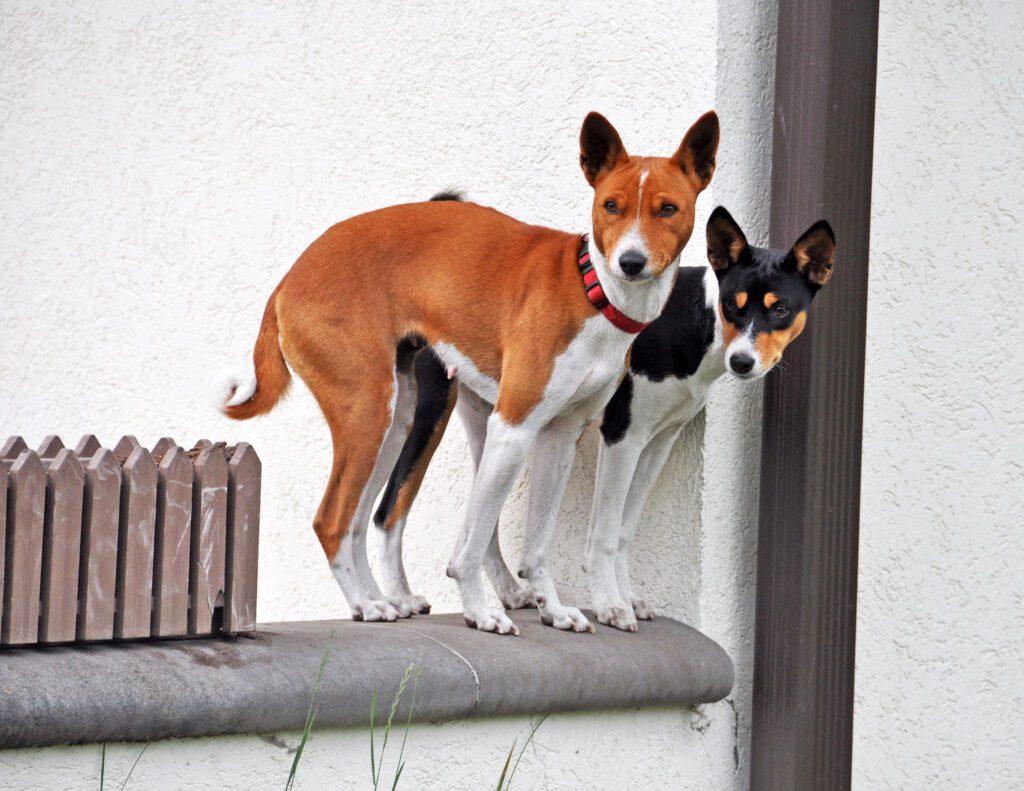
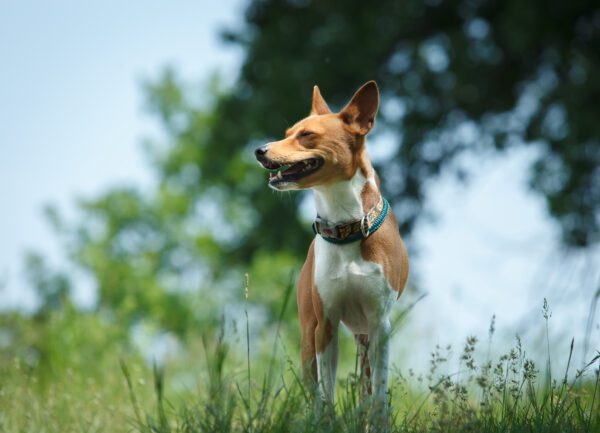
The Basenji is a compact, athletic hound known for keen intelligence, cat-like cleanliness, and a quiet nature that replaces barking with expressive yodels. Many people love this breed for its sleek look, low doggy odor, and affectionate bond with family. A Basenji is energetic and observant, and it thrives when it has daily mental enrichment and structured exercise. Careful research before adoption is essential because this independent hunter has a strong prey drive and a curious mind that tests boundaries.
Adoption helps a dog in need while supporting the rescue community. It also gives you transparency on temperament and health because many Basenjis in rescue live with foster families who provide detailed feedback. Rhode Island’s coastal climate can challenge a Basenji that dislikes cold rain and winter wind. The breed does well with cozy layers, indoor enrichment, and short but frequent potty breaks during storms. Summers in Rhode Island can be warm and humid, which suits this short-coated dog if you provide shade and water during midday walks.
Rhode Island’s compact geography, coastal paths, and neighborhood sidewalks suit a Basenji that enjoys frequent, brisk walks and play in secure areas. Apartments in Providence or small-town homes can work if you keep a consistent routine. A fenced yard is helpful, yet a Basenji still needs leash walks and structured games because this breed tends to chase squirrels and rabbits. With preparation and patience, the Ocean State offers an inviting backdrop for a well-matched Basenji adoption.
You can avoid searching shelters and rescues separately by browsing adoption listings through Dog Academy. You can filter by location, age, and size, and you can read clear profiles to find Basenjis and Basenji mixes that match your lifestyle. Dog Academy also provides step-by-step adoption guides and practical checklists that help you evaluate fit, prepare supplies, and plan your first week at home.
Adoptable Basenjis in Rhode Island appear through local animal shelters, regional rescues, and breed-specific rescue groups. Start by reviewing listings, then compare each dog’s energy level, prey drive, sociability with other pets, and comfort with children. Contact the group that is caring for the dog and request additional details on health, behavior, and daily routine. A clear understanding of Basenji needs will help you choose a dog that fits your experience and schedule.
Most organizations use a structured process. You submit an application with basic information, references, and landlord approval if you rent. Many groups schedule a phone interview to discuss your goals and to explain the dog’s needs. Meet-and-greets take place at a shelter, an adoption center, or a foster home so you can observe the dog in a calm setting. Some placements include a home check, which can be virtual or in person, to confirm safe fencing, secure trash, and a suitable space for rest and feeding. Approval timelines often range from 1 to 3 weeks, depending on volunteer availability and the number of applicants for the dog you want.
Rhode Island is small, so many Basenjis arrive from nearby states. Rescues sometimes arrange transport to move dogs between locations using volunteer drivers or professional carriers. Transport groups coordinate safe handoffs, confirm identification, and secure proper crates. A veterinary health certificate is usually required for interstate travel, which ensures the dog is fit to be transported and ready for adoption on arrival.
|
How Much Does It Cost to Adopt a Basenji in Rhode Island?Most adopters in Rhode Island can expect to pay $350 to $600 for an adult Basenji and $450 to $700 for a puppy. Fees tend to be higher for puppies and for dogs that arrive through longer-distance transport because the organization covers added logistics and care. Costs typically include spaying or neutering, vaccinations, microchipping, and veterinary exams. Some groups also include heartworm testing, flea and tick prevention, and a starter supply of food or medication. Age, training, medical care, and demand influence the final amount. A well-mannered adult with recent dental work may cost more than an adult that still needs basic training. A puppy with high demand may sit at the top of the range. Fees help cover prior medical treatment, behavior support, and the time a dog spends in foster care. When you adopt a Basenji in Rhode Island, the fee reflects real care that prepares the dog for a healthy start in your home. |
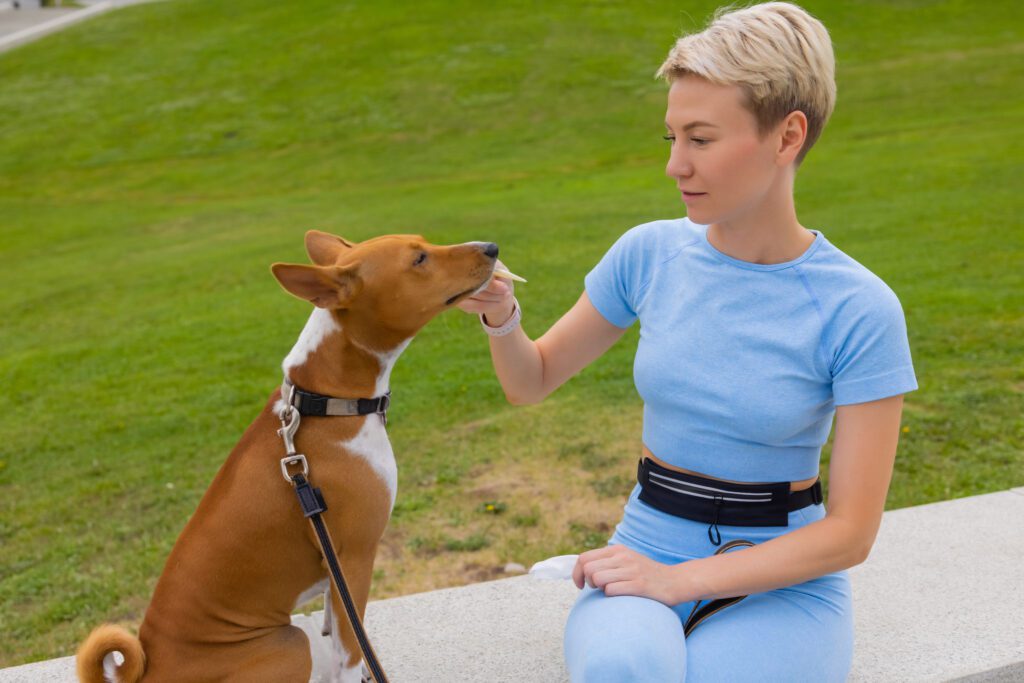
How Should I Train a Basenji?The Basenji is bright and curious, yet it is also independent. Training should focus on short, upbeat sessions that reward attention and calm choices. Positive reinforcement builds trust and keeps this thoughtful hound engaged. Start with foundations that matter in daily life, including name response, hand target, settle on a mat, and polite greetings. Use food rewards and play, and practice in quiet areas before adding distractions. Common challenges include impulse control, leash pulling, and recall. Practice loose-leash walking with frequent reinforcement at your side, and use a long line in open fields to build a safe recall. Manage the strong prey drive by avoiding off-leash time in unfenced areas and by playing structured chase games that use a flirt pole. Crate training supports restful downtime and helps a Basenji that dislikes rain feel secure indoors. Consistency matters, so the entire household should follow the same cues and rules. For step-by-step coaching you can enroll in Dog Academy’s online training courses, which provide clear lessons tailored to real-life behavior goals. |
|
The ideal Basenji adopter enjoys daily walks, interactive play, and puzzle-based enrichment. A good match values patience, secure management, and gentle training. Families with small pets should be cautious because many Basenjis chase smaller animals. A fenced yard is helpful but not required when you commit to frequent, structured exercise.
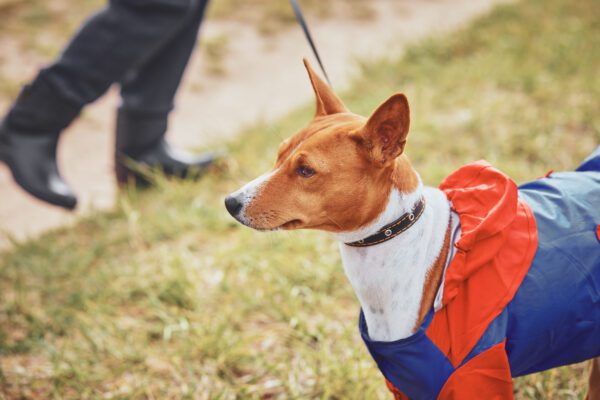
Preparation sets you up for success. Gather essentials like a well-fitted harness, a crate, chew toys, weather-appropriate coats, and a plan for potty breaks during storms. Take time to ask detailed questions, meet thoughtfully, and trust a pace that feels right. With informed choices and steady training, you can adopt a Basenji in Rhode Island and welcome a clever, loyal companion into your life.

Introducing a new puppy to your current dog is often an exciting process, and many dogs will become fast friends and eas...
Read More
Rescue dogs can make great companions and can transform your home into something better. These dogs make great pets and ...
Read More
You should never rush to pet a dog. Even dog owners make the mistake of approaching unfamiliar dogs and petting them rig...
Read More
Puppy mill dogs are survivors who have endured extreme hardships in their lives. They have grown up in horrendous, unsan...
Read More
With their wagging tails and comforting presence, adopting a dog can add a unique touch to your life. It’s a heart...
Read More
Older dogs may have a few gray hairs around the edges, but that doesn’t mean they can’t make wonderful companions! T...
Read More